Contents7 sections
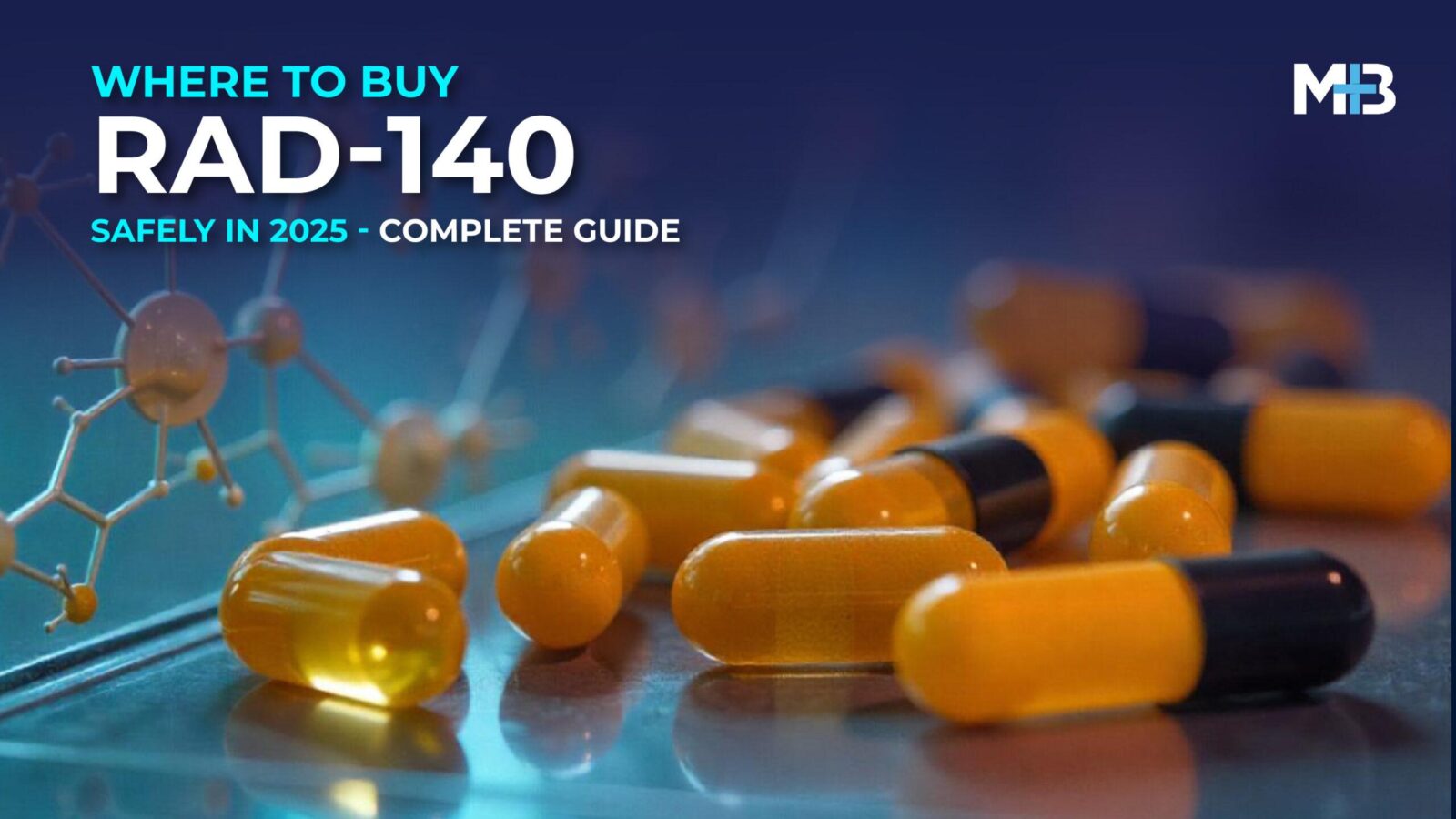
When it comes to building muscle, improving strength, and accelerating recovery, few research compounds spark as much curiosity as RAD-140 (Testolone). Developed as a Selective Androgen Receptor Modulator (SARM), RAD-140 is designed to deliver powerful anabolic effects while minimizing unwanted side effects associated with traditional steroids. It has captured the attention of researchers, athletes (in non-competitive settings), and fitness enthusiasts seeking innovative approaches for muscle preservation, bone health, and performance enhancement in experimental research.
In this article, we’ll delve into everything you need to know about RAD-140, starting with its mechanism of action, exploring its potential benefits, and highlighting the possible side effects and safety considerations. We’ll also discuss one of the best-selling RAD-140 options on the market from SwissChems, providing details on its form, dosage for research, and why it stands out in the SARMs category!
Key Takeaways
- RAD-140 (Testolone) is an experimental SARM designed to selectively activate androgen receptors, particularly in muscle and bone tissue.
- Research suggests anabolic potential, including effects on lean muscle and bone tissue, but much of the evidence comes from preclinical research rather than robust human trials.
- Human safety data remain limited. Reported concerns include testosterone suppression, changes to cholesterol, mood-related effects, and potentially serious liver injury.
- Anecdotal reports of rapid muscle and strength gains should not be treated as clinical evidence. There is no established human dosing protocol for RAD-140.
- Because RAD-140 is not an approved medicine, products sold online may carry risks related to mislabeling, contamination, or inconsistent potency.
What is RAD-140?
RAD-140, also known as Testolone, is a Selective Androgen Receptor Modulator (SARM) developed to mimic the muscle-building and bone-strengthening effects of testosterone, without some of the broad, unwanted side effects linked to traditional anabolic steroids. It works by binding selectively to androgen receptors in muscle and bone tissues, activating anabolic activity in these areas while sparing others like the prostate or skin.
Initially researched as a potential treatment for muscle wasting (sarcopenia), osteoporosis, and certain hormone-sensitive cancers, RAD-140 has drawn interest in preclinical and experimental settings for its ability to:
- Increase lean muscle mass and strength.
- Improve bone mineral density.
- Offer possible neuroprotective effects in degenerative conditions.
Although RAD-140 has not been approved for medical use and remains a research-only compound, it is widely studied in the performance and bodybuilding community for its potential to enhance physical conditioning. However, its safety profile in humans is not fully understood, and regulatory agencies like the World Anti-Doping Agency (WADA) have banned it in competitive sports.
Mechanism of Action
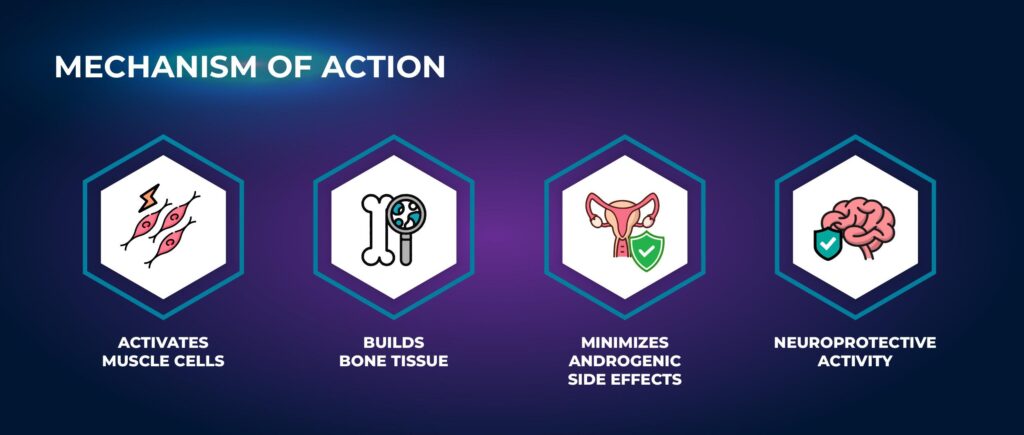
RAD-140 (Testolone) is a Selective Androgen Receptor Modulator (SARM) that works by binding selectively to androgen receptors (AR) in muscle and bone tissues. These receptors are proteins inside cells that, when activated by molecules like testosterone or synthetic ligands, trigger a cascade of genetic signals that increase protein synthesis and anabolic activity.
Unlike anabolic steroids, which activate androgen receptors throughout the body, including in the prostate, skin, and other tissues. RAD-140 is designed to preferentially target receptors in skeletal muscle and bone. This selectivity comes from RAD-140’s unique structure, altering how androgen receptors interact with co-regulators and DNA.
Once bound, RAD-140:
- Activates anabolic pathways in muscle cells, stimulating growth and repair.
- Enhances bone mineralization by promoting osteoblast activity, which builds bone tissue.
- Minimizes androgenic side effects by sparing non-target tissues like the prostate.
- Shows potential neuroprotective activity, as preclinical studies suggest it may protect neurons from degeneration and promote cell survival in the hippocampus.
Through these mechanisms, RAD-140 can produce muscle-building and bone-strengthening effects with a reduced risk profile compared to non-selective androgens, though its long-term safety in humans remains unverified.
Where to Buy?

 SARMs
SARMs
Overview
- Form: Oral Capsules
- Researched Dosage: 5 mg to 30 mg daily
- Typical Cycle: 6-8 weeks
- Cost: $89.95
- Stacking Options: MK-677, LGD-4033, GW-501516
Pros
- Designed to stimulate androgen receptors and may support muscle growth and strength.
- Its anabolic activity may help maintain muscle during periods of calorie restriction.
- Unlike injectable anabolic steroids, RAD-140 is typically taken orally, making it more convenient for some users.
Cons
- RAD-140 can suppress the body’s natural testosterone production, potentially affecting hormones after use.
- Changes in liver enzymes, cholesterol, and other health markers have been reported or remain a concern.
- RAD-140 is not an approved human medication, so its long-term safety, effectiveness, and risks are not well established.
Recommended Dosage Table
| Product | Dosage 💊 | Administration 💉 | Timing ⌚ |
| RAD-140 | 10-20mg | Oral | Morning |
| TB-500 | 2-2.5mg twice per week | Subcutaneous and Intramuscular Injection | Any time |
| BPC-157 | 250-500mg/day | Oral | Empty stomach or 30 minutes before eating |
Benefits of RAD-140
While RAD-140 (Testolone) remains an experimental compound, preclinical and anecdotal findings suggest it offers a range of performance-enhancing and therapeutic benefits. Its high selectivity for muscle and bone androgen receptors allows it to promote growth, strength, and recovery with fewer off-target effects compared to traditional anabolic agents. Below are some of the most notable benefits observed in research settings.
Promotes Lean Muscle Growth
RAD-140 is widely studied for its potent anabolic activity in skeletal muscle tissue. By binding selectively to androgen receptors in muscle cells, it stimulates protein synthesis and muscle fiber hypertrophy, leading to increases in lean muscle mass. Preclinical models have shown notable muscle gains without the full androgenic side effects seen with traditional anabolic steroids. This makes it a promising candidate for conditions like sarcopenia (age-related muscle loss) and cachexia (muscle wasting due to chronic illness).
Increases Strength and Physical Performance
Through its muscle-building effects, RAD-140 also contributes to greater muscular strength and endurance. In animal studies, subjects experienced significant improvements in force output and stamina. These performance-enhancing properties have made it popular in the athletic research community, although it is banned by WADA in competitive sports.
Supports Bone Density and Skeletal Health
RAD-140 activates androgen receptors in bone tissue, which encourages osteoblast activity, the cells responsible for bone formation. This can help improve bone mineral density, potentially lowering the risk of fractures and osteoporosis in experimental settings. Such effects make it a candidate for age-related bone loss research.
Potential Neuroprotective Properties
Beyond muscle and bone benefits, RAD-140 has shown signs of neuroprotection in preclinical studies. Research suggests it may help protect neurons in the hippocampus from degenerative changes and oxidative stress. This has sparked interest in its potential for supporting cognitive health and reducing brain cell loss in neurodegenerative conditions, though human trials are still lacking.
Reduced Androgenic Side Effects Compared to Steroids
One of the biggest advantages of RAD-140 over traditional anabolic steroids is its tissue selectivity. It has minimal activity in the prostate and other non-target tissues, which may reduce risks like prostate enlargement, excessive hair growth, and skin issues. While it still carries risks, this selectivity could mean a more favorable side effect profile for certain therapeutic applications.
Side Effects
Although RAD-140 (Testolone) is often promoted for its muscle-building potential, it remains an unapproved research compound with limited human safety data. Most of what is known about its side effects comes from animal studies, isolated clinical data, and anecdotal user reports. This means the full risk profile is not yet understood, and caution is essential in any experimental setting.
Potential Liver Toxicity
Several case reports have linked RAD-140 to severe liver injury, including jaundice and cholestatic hepatitis, which required hospitalization. Symptoms in these cases resolved after discontinuation, but they highlight a possible hepatotoxic risk—particularly with prolonged or high-dose use.
Hormonal Suppression
Preclinical and anecdotal reports suggest RAD-140 may suppress testosterone production, requiring post-cycle therapy (PCT) in research settings. This can result in low testosterone levels, fatigue, mood changes, and decreased libido after discontinuation. Recovery may require a post-cycle therapy (PCT) protocol in experimental settings, though this is not medically standardized for SARMs.
Cardiovascular Risks
There is concern that RAD-140 may negatively affect cholesterol profiles, lowering HDL (“good”) cholesterol and raising LDL (“bad”) cholesterol. Such changes could increase cardiovascular risk if sustained over time. These effects have been observed in other SARMs and are suspected to apply to RAD-140 as well.
Mood and Neurological Effects
Some anecdotal reports suggest RAD-140 can cause irritability, anxiety, restlessness, or insomnia. Its influence on mood may be linked to androgen receptor activation in brain tissue, though human data are sparse.
Product Purity & Contamination Risks
Because RAD-140 is not FDA-approved, quality control varies greatly between suppliers. Independent lab testing has revealed cases of mislabeling, contamination, and adulteration with other compounds, which can introduce unexpected health risks.
Long-Term Safety: Still Unknown
No long-term human studies exist for RAD-140, meaning its impact on overall health, cancer risk, fertility, and organ function remains uncertain. For this reason, its use is banned in competitive sports by the World Anti-Doping Agency (WADA).
Conclusion
RAD-140 (Testolone) stands out in the research community as one of the most promising Selective Androgen Receptor Modulators (SARMs) for studying muscle growth, bone density, and potential neuroprotection. Its targeted mechanism of action offers the appeal of anabolic benefits with reduced off-target activity compared to traditional steroids.
However, with limited human safety data, potential side effects, and regulatory restrictions, RAD-140 remains strictly a research-only compound. For scientists and laboratories, sourcing from reputable suppliers like SwissChems ensures high purity and reliable dosing for experimental purposes.
As interest in SARMs continues to grow, RAD-140 will likely remain at the forefront of anabolic research and performance enhancement studies, but its unapproved status means it should never be used outside controlled research settings.
The Bottom Line
RAD-140 (Testolone) is a potent experimental SARM with interesting anabolic properties, but limited human research and unresolved safety concerns make it impossible to consider a proven or inherently safer alternative to anabolic steroids.
- RAD-140 is an interesting compound for studying androgen-receptor activity and related physiological effects.
- Cases of serious liver injury have been reported, while hormonal suppression, changes in lipid profiles, mood effects, and unknown long-term consequences remain concerns.
- The evidence base is still limited, particularly when it comes to long-term effects in humans. Reports of muscle and strength gains largely come from anecdotal use rather than controlled clinical research.
Frequently Asked Questions
Pros
- Exceptional purity & testing (≥98%)
- Pharmaceutical-style packaging for stability
- Broad catalog across peptides & nootropics
- Strong reputation & consistency across years
Cons
- Some items frequently out of stock due to high demand
- Limited long-term data for some compounds