Contents20 sections
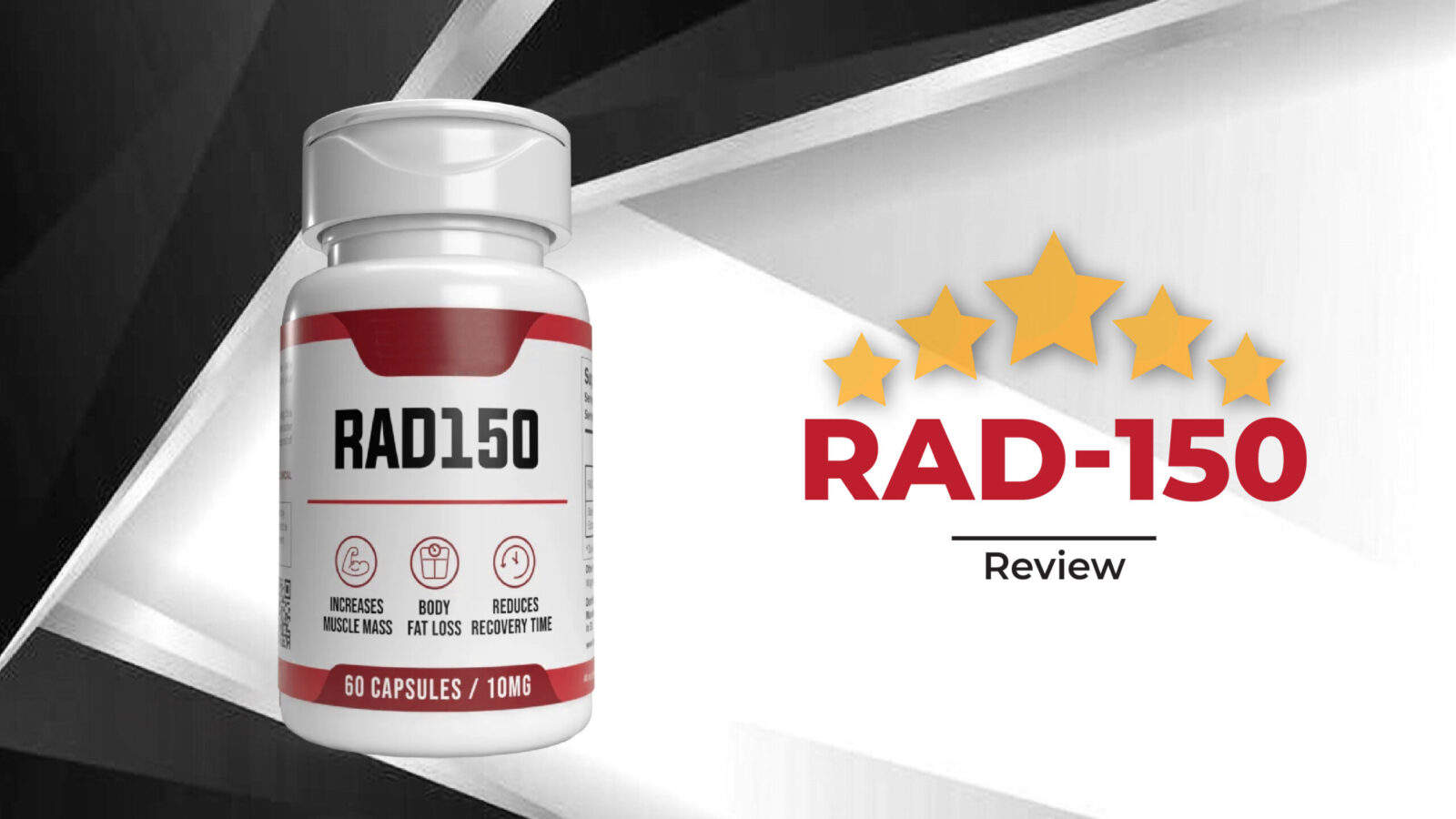
RAD-150 is an experimental compound that has attracted attention in the SARM community as a longer-lasting derivative of RAD-140 (Testolone).
Online discussions often describe RAD-150 as a more potent or longer-lasting alternative to RAD-140, with claims ranging from rapid muscle growth and increased strength to improved body composition and recovery.
The problem is that RAD-150 has very little human research behind it.
That makes it difficult to separate established pharmacology from anecdotal bodybuilding claims. It also means that statements about its safety, ideal dosage, cycle length, or long-term effects should be treated cautiously.
This RAD-150 review examines what the compound is, how it is thought to work, how it compares with RAD-140, what users report, and what remains unknown about its safety and effectiveness.
The information on this site is for educational and informational purposes only, and is not medical advice. Always consult a qualified healthcare professional before using any supplement or medication, or making changes to your health, fitness, or nutrition routine.
Key Takeaways
- RAD-150 is an experimental SARM-related compound and is not an FDA-approved medication.
- It is generally described as an esterified derivative of RAD-140 (Testolone).
- The proposed advantage of esterification is a potentially longer-lasting compound, but detailed human pharmacokinetic data are limited.
- Claims that RAD-150 selectively affects muscle while avoiding androgenic or systemic side effects are not established in human clinical research.
- Reported benefits include increased muscle mass and strength, but most evidence comes from anecdotal user reports rather than controlled human trials.
What Is RAD-150?
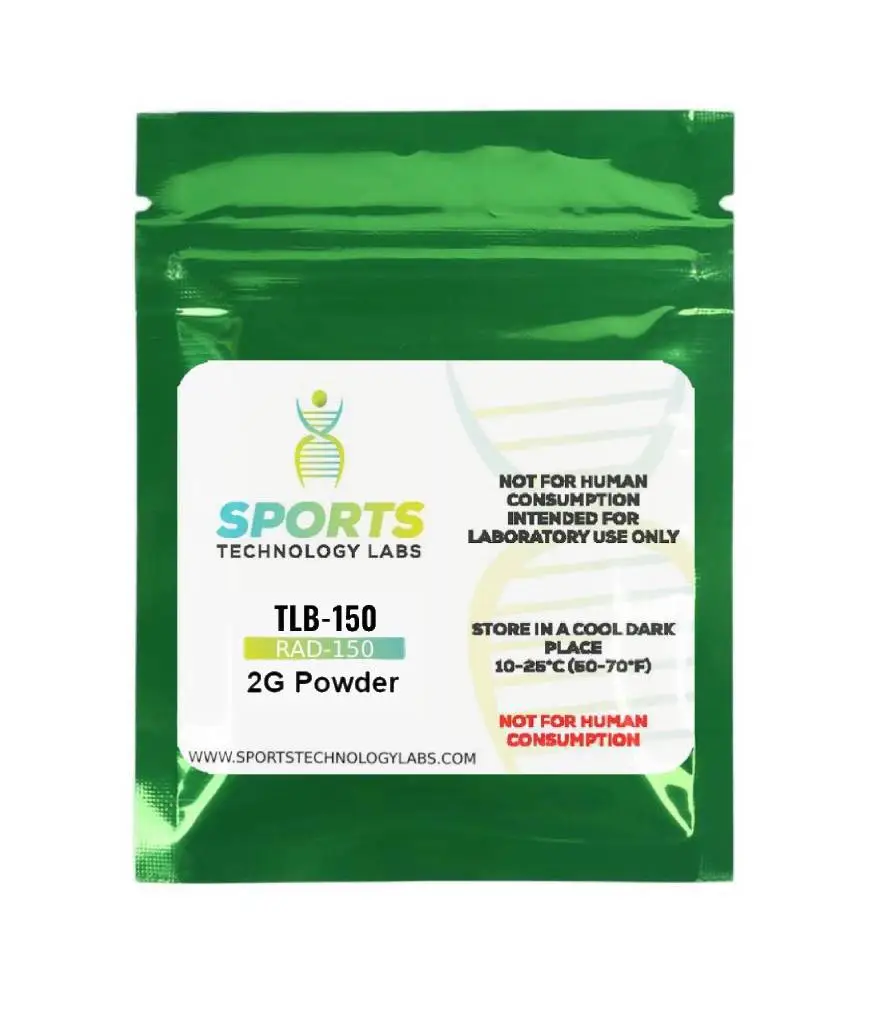
RAD-150, also known as TLB-150 benzoate, is generally described as an esterified derivative of RAD-140 (Testolone).
RAD-140 belongs to the selective androgen receptor modulator, or SARM, class. SARMs are experimental compounds designed to activate androgen receptors with greater tissue selectivity than traditional anabolic steroids.
RAD-150 was developed with the idea that attaching an ester group could alter the compound’s pharmacokinetic properties, potentially allowing it to remain active for longer.
However, this is where online descriptions often become more confident than the evidence allows.
The original version of this article describes RAD-150 as having increased bioavailability, a 48-hour half-life, and “quicker results.”
Those claims should not be presented as established clinical facts without reliable human pharmacokinetic data.
Is RAD-150 a Steroid?
No.
RAD-150 is not classified as an anabolic steroid. It is generally discussed as a SARM-related experimental compound.
The distinction comes from its mechanism.
Anabolic-androgenic steroids are generally derived from testosterone or related steroid structures and activate androgen receptors throughout the body.
SARMs were designed to activate androgen receptors in a more tissue-selective manner.
However, “not a steroid” does not mean “no side effects.”
SARMs can still affect the endocrine system and other physiological processes.
How Does RAD-150 Work?
The proposed mechanism of RAD-150 is based on its relationship to RAD-140.
SARMs bind to androgen receptors. These receptors are found throughout the body, including in skeletal muscle, bone, reproductive tissues, and other organs.
Activation of androgen receptors can influence gene expression involved in anabolic processes.
The original article claims that RAD-150 only binds to androgen receptors in muscle tissue and therefore avoids effects elsewhere in the body.
That is too absolute.
The purpose of developing SARMs is to achieve greater tissue selectivity—not perfect tissue specificity.
A SARM should therefore not be assumed to affect only skeletal muscle or to be incapable of producing systemic effects.
RAD-150 Benefits
Most claims about RAD-150’s bodybuilding benefits come from user reports and extrapolation from RAD-140 rather than robust clinical trials.
That distinction is important when evaluating the following potential effects.
1. Muscle Growth
The primary reason people are interested in RAD-150 is its potential anabolic activity.
Because it is designed to interact with androgen receptors, it may theoretically influence pathways associated with muscle protein synthesis and muscle growth.
However, there are insufficient human clinical data to establish how much muscle RAD-150 actually produces.
Claims of predictable or dramatic muscle gains should therefore be regarded as anecdotal.
2. Strength
Users frequently associate RAD-150 with increased strength.
If a compound produces an anabolic effect and increases muscle mass, improvements in training performance may follow.
But there is currently insufficient clinical evidence to establish the magnitude, consistency, or timeline of strength improvements from RAD-150.
3. Body Composition
Some users claim that RAD-150 can increase lean mass while reducing body fat.
This is another area where anecdotal reports shouldn’t be confused with clinical evidence.
Changes in body composition depend heavily on calorie intake, training, starting body composition, and other substances being used simultaneously.
There is not enough evidence to describe RAD-150 as a proven fat-loss compound.
4. Recovery
Online discussions sometimes associate RAD-150 with faster recovery between workouts.
There is a plausible connection between anabolic signaling and tissue adaptation, but there isn’t sufficient human evidence demonstrating that RAD-150 meaningfully accelerates recovery.
The original article itself acknowledges that evidence for its claimed muscle-regeneration effects is limited.
5. Endurance and Libido
Some users report changes in stamina, endurance, or libido.
These effects are inconsistent and difficult to interpret.
In particular, changes in libido during SARM use can be influenced by changes in endogenous testosterone and other hormones.
There is no strong clinical evidence that RAD-150 reliably improves sexual function.
RAD-150 Dosage
There is no clinically established RAD-150 dosage for bodybuilding or performance enhancement.
The original article presents 5–10 mg per day as a studied dosage and recommends dividing it into multiple daily doses.
That presentation should be removed.
Anecdotal dosing practices shared in bodybuilding communities should not be described as medically established dosing.
Because human safety and pharmacokinetic data are limited, there is no evidence-based dosage that can be recommended for recreational use.
RAD-150 Cycle Length
There is similarly no clinically established eight-week RAD-150 cycle.
The original article describes eight weeks as an “optimal” timeframe and recommends PCT afterward.
There is insufficient evidence to establish an optimal cycle duration.
Longer exposure generally creates more opportunity for adverse effects, but there is no scientifically validated point at which RAD-150 suddenly becomes safe to discontinue.
RAD-150 Side Effects
One of the biggest problems with the existing article is its suggestion that side effects are rare and primarily associated with excessive doses.
There isn’t enough human research to make that claim.
Instead, RAD-150 should be considered capable of producing the types of endocrine and metabolic effects associated with SARMs, while acknowledging that the specific safety profile of RAD-150 itself remains poorly characterized.
Testosterone Suppression
SARMs can suppress the body’s natural production of testosterone.
The degree of suppression can vary according to the compound, exposure, duration, and individual factors.
The absence of steroid-like side effects does not mean the endocrine system is unaffected.
Cholesterol Changes
SARMs can adversely affect lipid profiles.
Changes in HDL and LDL cholesterol can increase cardiovascular risk over time, particularly when combined with other risk factors.
Liver Concerns
Liver injury has been reported with some SARMs, and the FDA has warned consumers about potentially serious liver injury associated with SARM products.
There is not enough clinical evidence to establish RAD-150’s specific liver-risk profile.
That uncertainty is itself a reason for caution.
Mood Changes
Changes in mood, irritability, aggression, anxiety, or other psychological effects may occur with androgen-active compounds.
The available evidence is not sufficient to determine how frequently these effects occur with RAD-150 specifically.
Headaches and Sleep Changes
Users have reported headaches and sleep-related changes, although anecdotal reports cannot establish how common or directly attributable these effects are.
Does RAD-150 Cause Estrogen-Related Side Effects?
The original article claims that RAD-150 has aromatizing properties and can increase estradiol, water retention, and gynecomastia.
That claim needs correction.
SARMs are not generally considered aromatizing compounds in the same way testosterone and certain anabolic steroids are.
However, that doesn’t mean they cannot affect the hormonal environment.
For example, suppression of endogenous testosterone can indirectly alter downstream hormone levels.
The specific effects of RAD-150 on estrogen and related hormones remain insufficiently characterized.
Does RAD-150 Suppress Testosterone?
It may.
Because RAD-150 is associated with the SARM class and interacts with androgen signaling, testosterone suppression is a legitimate concern.
However, there is not enough human research to quantify the degree or duration of suppression associated specifically with RAD-150.
This is one reason claims that PCT can simply “correct” RAD-150-related suppression are too simplistic.
RAD-150 and PCT
Post-cycle therapy, or PCT, is commonly discussed in SARM communities as a way to restore testosterone production after a cycle.
However, PCT is not a guaranteed reset button.
Prescription drugs sometimes used in PCT have their own indications, risks, and contraindications. Their use should be determined by a qualified healthcare professional rather than automatically added to an experimental compound regimen.
Anyone concerned about hormonal suppression should seek appropriate medical evaluation rather than assuming that a particular PCT protocol will restore hormone levels.
RAD-150 Stacks
RAD-150 is frequently discussed alongside compounds such as:
- RAD-140
- LGD-4033
- YK-11
- MK-677
- Cardarine
The original article specifically recommends RAD-150 combinations with Cardarine and other SARMs.
However, stacking makes the safety picture substantially more complicated.
If multiple compounds are used simultaneously, it becomes difficult to determine which substance caused a benefit or adverse effect.
Some compounds commonly included in SARM stacks also have their own significant safety concerns.
For that reason, there is no evidence-based basis for describing a particular RAD-150 stack as optimal or safe.
RAD-150 vs. RAD-140
RAD-150 and RAD-140 are closely related, but they should not automatically be treated as interchangeable.
| Feature | RAD-150 | RAD-140 |
|---|---|---|
| Relationship | Described as an esterified derivative | Parent/precursor compound |
| Research | Very limited | More extensively studied, though still experimental |
| Mechanism | Androgen receptor activity | Androgen receptor activity |
| Human evidence | Very limited | Limited |
| Clinical approval | None | None |
| Safety profile | Poorly characterized | Better characterized than RAD-150, but still incomplete |
The original article presents RAD-150’s longer duration and supposed superior bioavailability as established advantages.
A more accurate conclusion is that esterification may alter pharmacokinetics, but there isn’t enough human evidence to conclude that RAD-150 is categorically more effective or safer than RAD-140.
Is RAD-150 Legal?
The answer depends on the jurisdiction and intended use.
In the United States, RAD-150 is not an FDA-approved drug.
The FDA has repeatedly warned that SARMs are unapproved drugs and that products marketed as SARMs for bodybuilding or performance enhancement may pose serious health risks.
The World Anti-Doping Agency also prohibits SARMs in competitive sport.
Therefore, the statement that RAD-150 is simply “legal for research purposes” in almost every country is too broad.
Researchers should check the regulations that apply in their own jurisdiction and intended research setting.
Is RAD-150 Legit?
“Legit” can mean several different things.
If the question is whether RAD-150 is a real experimental compound, the answer is yes.
If the question is whether it is a proven, clinically validated muscle-building drug, the answer is no.
There is not enough human evidence to support the original article’s claims that RAD-150 is exceptionally safe, regulates testosterone, produces no meaningful side effects, or reliably increases muscle, strength, and endurance.
Those statements should not be presented as established facts.
RAD-150 User Experiences
Anecdotal reports can provide insight into what users claim to experience, but they are not a substitute for controlled clinical research.
The original article quotes users reporting muscle growth, increased aggression, and other effects.
These reports are useful as examples of community experiences, but they cannot establish:
- Whether RAD-150 caused the reported changes
- Whether the product actually contained RAD-150
- Whether other compounds were involved
- Whether laboratory testing confirmed the dose
- Whether adverse effects developed later
That makes user reviews interesting, but not definitive evidence of efficacy or safety.
What We Still Don’t Know About RAD-150
This is arguably the most important part of evaluating RAD-150.
We don’t have sufficient human evidence to confidently answer questions about:
- Long-term cardiovascular risk
- Long-term liver effects
- Fertility effects
- Exact pharmacokinetics
- Optimal exposure
- Long-term testosterone recovery
- Reliable muscle-building outcomes
- Safe dosing
- Appropriate cycle duration
The absence of evidence isn’t evidence of safety.
It simply means the compound hasn’t been studied well enough to answer these questions.
The Bottom Line
RAD-150 is an experimental SARM-related compound with potential anabolic activity, but its limited human research makes claims about its effectiveness, safety, dosage, and long-term results highly uncertain.
- RAD-150 should be viewed as an experimental research compound—not a proven or inherently safer alternative to anabolic steroids.
- Its androgen-receptor activity may support anabolic effects, but reported muscle and strength gains are largely based on anecdotal evidence.
- Testosterone suppression, lipid changes, liver concerns, and other systemic effects remain possible, while RAD-150’s specific long-term safety profile is poorly understood.
Frequently Asked Questions
Disclaimer
Please read carefully
The information on this site is for educational and informational purposes only, and is not medical advice. Always consult a qualified healthcare professional before using any supplement or medication, or making changes to your health, fitness, or nutrition routine.
Not medical advice
Content here is not a substitute for professional medical advice.
Consult your doctor
Talk to your doctor before starting any supplement or new routine.
Use at your own risk
We are not responsible for adverse effects from acting on this.
Do your research
Make informed decisions about your own health.
No guarantees
Individual results vary. No claims about outcomes.
Important — Never disregard professional medical advice or delay seeking it because of something you read here. If you think you may have a medical emergency, call your doctor or your local emergency number right away.